
Rung 01 · Lesson 001
Starting the Book
Books begin through one clear decision and repeated small actions.
Open Lesson 001The No-Chaser Library collects the visual metaphors inside S.O.L.L. Is You. Click any image to enlarge it, then open the full lesson for the complete teaching.
Writing, editing, publishing reality, strategy, visibility, sales, operations, bookstores, AI, and defining success.
Books begin through one clear decision and repeated small actions.
Open Lesson 001
Editing removes weakness so the strongest version of the work can appear.
Open Lesson 002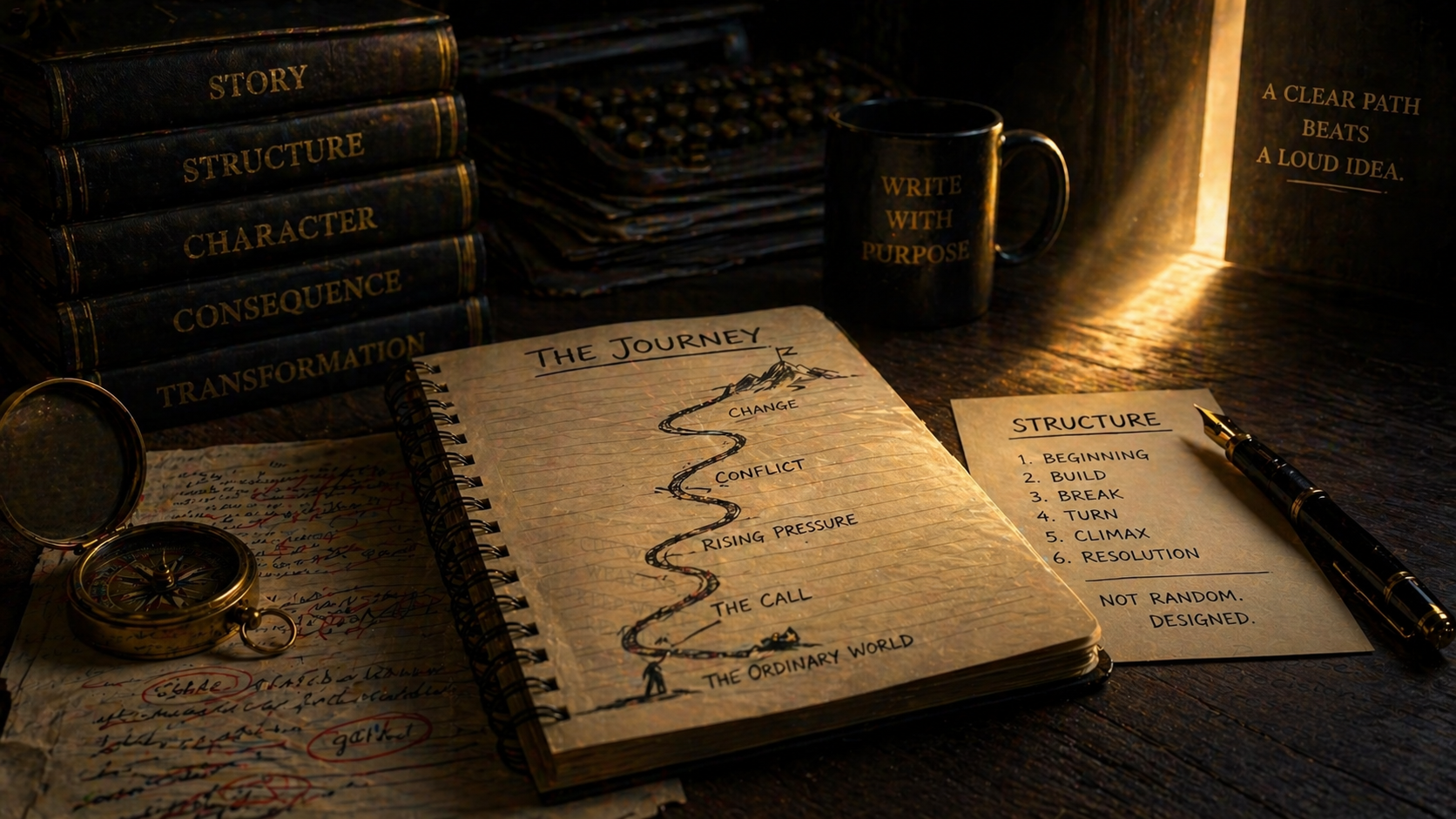
Publishing decisions work better when you understand the system before entering it.
Open Lesson 003
A strategy system should guide your choices without taking away your judgment.
Open Lesson 004
Marketing helps the right reader notice the right book at the right time.
Open Lesson 005
Readers buy when the offer is clear, accessible, and easy to understand.
Open Lesson 006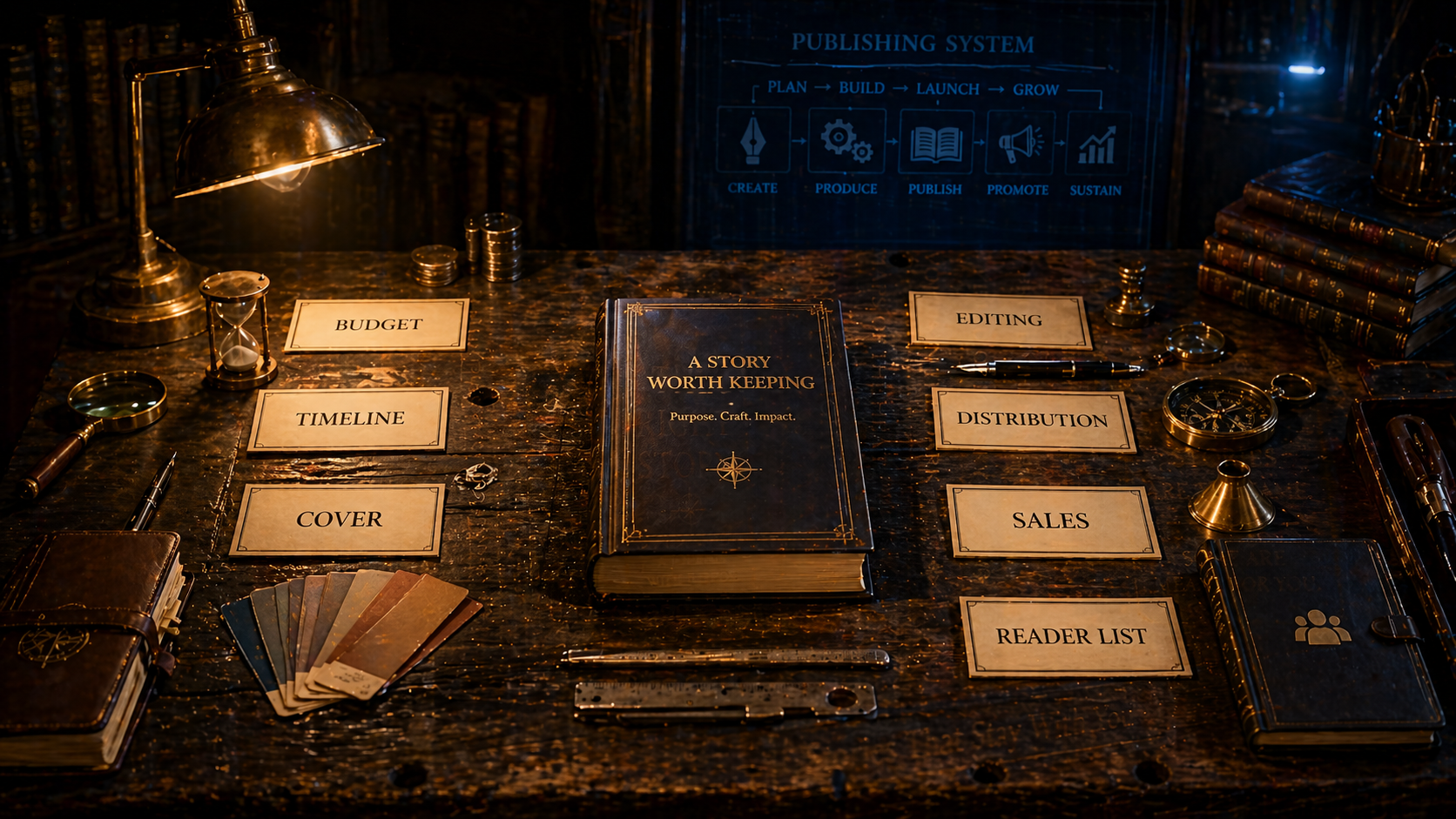
Publishing requires practical systems, not only creative ambition.
Open Lesson 007
Readers find books through visibility, trust, placement, and repeated discovery.
Open Lesson 008
AI can assist the work, but the author remains responsible for judgment.
Open Lesson 009
Success must be defined by the author before the industry defines it instead.
Open Lesson 010Catalog growth, direct sales, reader relationships, revenue streams, negotiation, rights, adaptation, and long-term survival.

A writing career survives through repeatable systems, not one lucky launch.
Open Lesson 011
Multiple books create more paths for readers to find and trust the author.
Open Lesson 012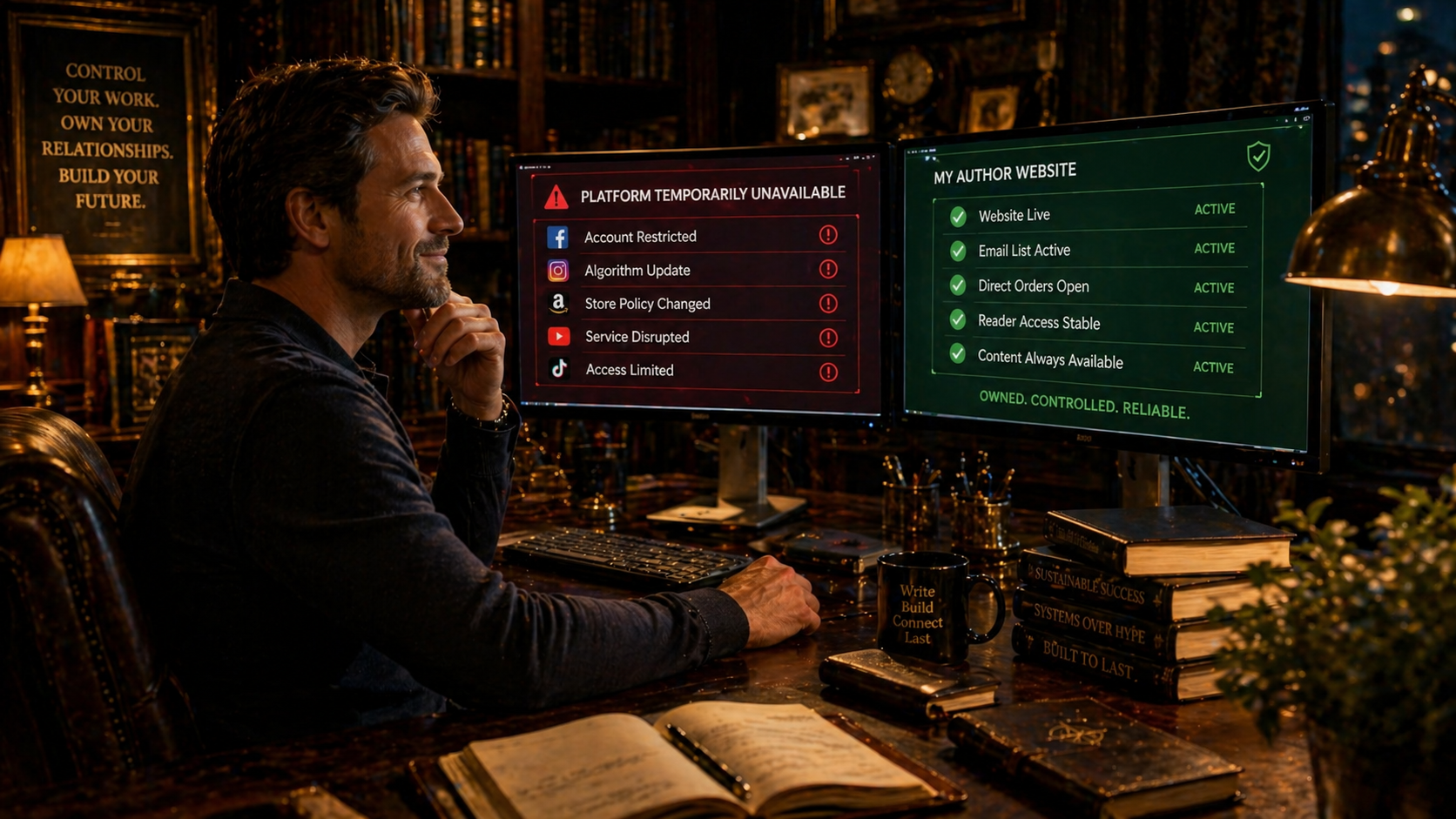
Your website protects your work when platforms change, fail, or disappear.
Open Lesson 013
Owned channels keep readers reachable when outside platforms become unstable.
Open Lesson 014
One book can support many related income paths when each path leads back to the work.
Open Lesson 015
Good agreements begin when the author understands what is being exchanged.
Open Lesson 016
Ownership means knowing which rights you keep, license, limit, or refuse.
Open Lesson 017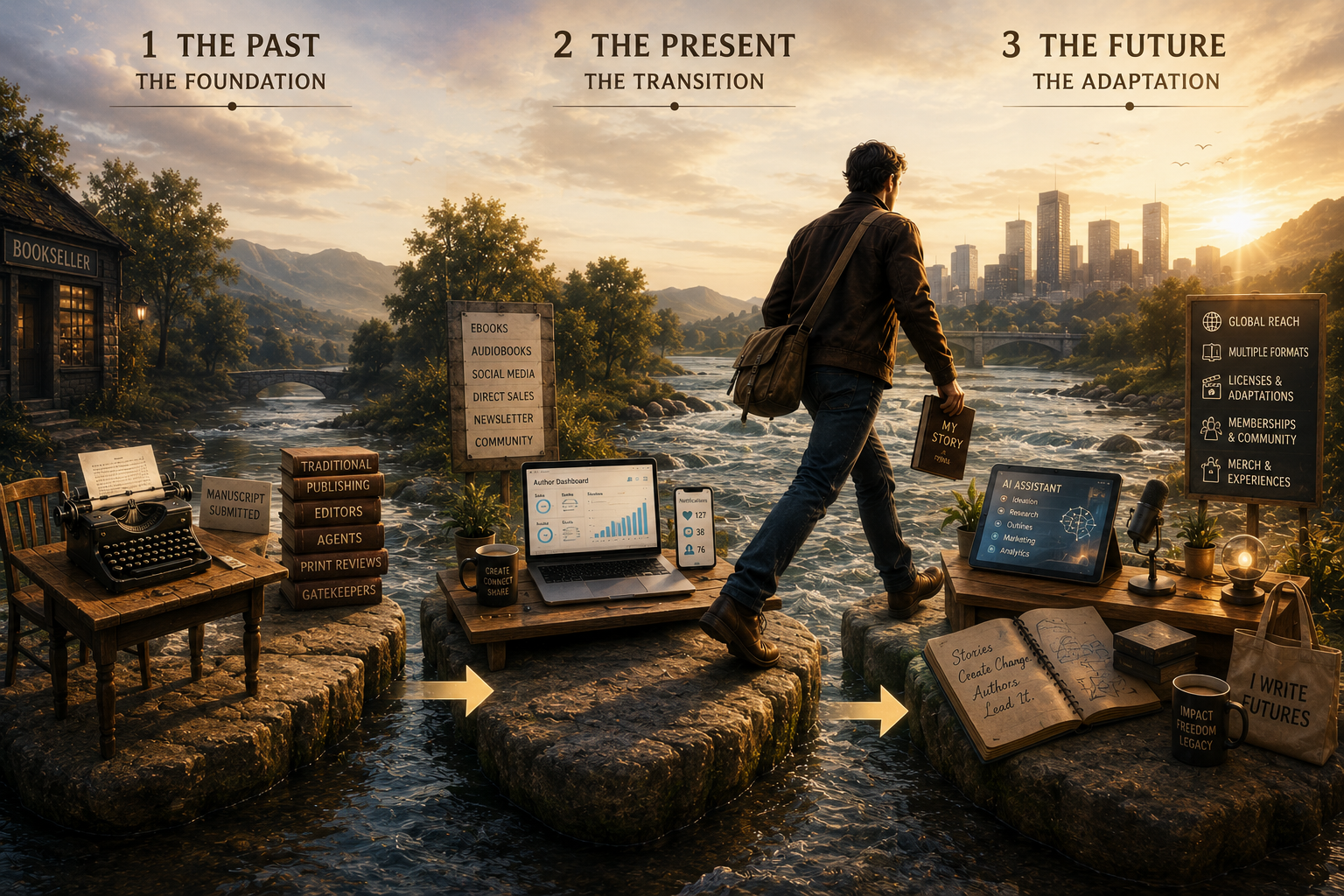
Industry shifts are easier to handle when the author moves with informed steps.
Open Lesson 018
After trial, error, and completion, the author becomes useful to others.
Open Lesson 019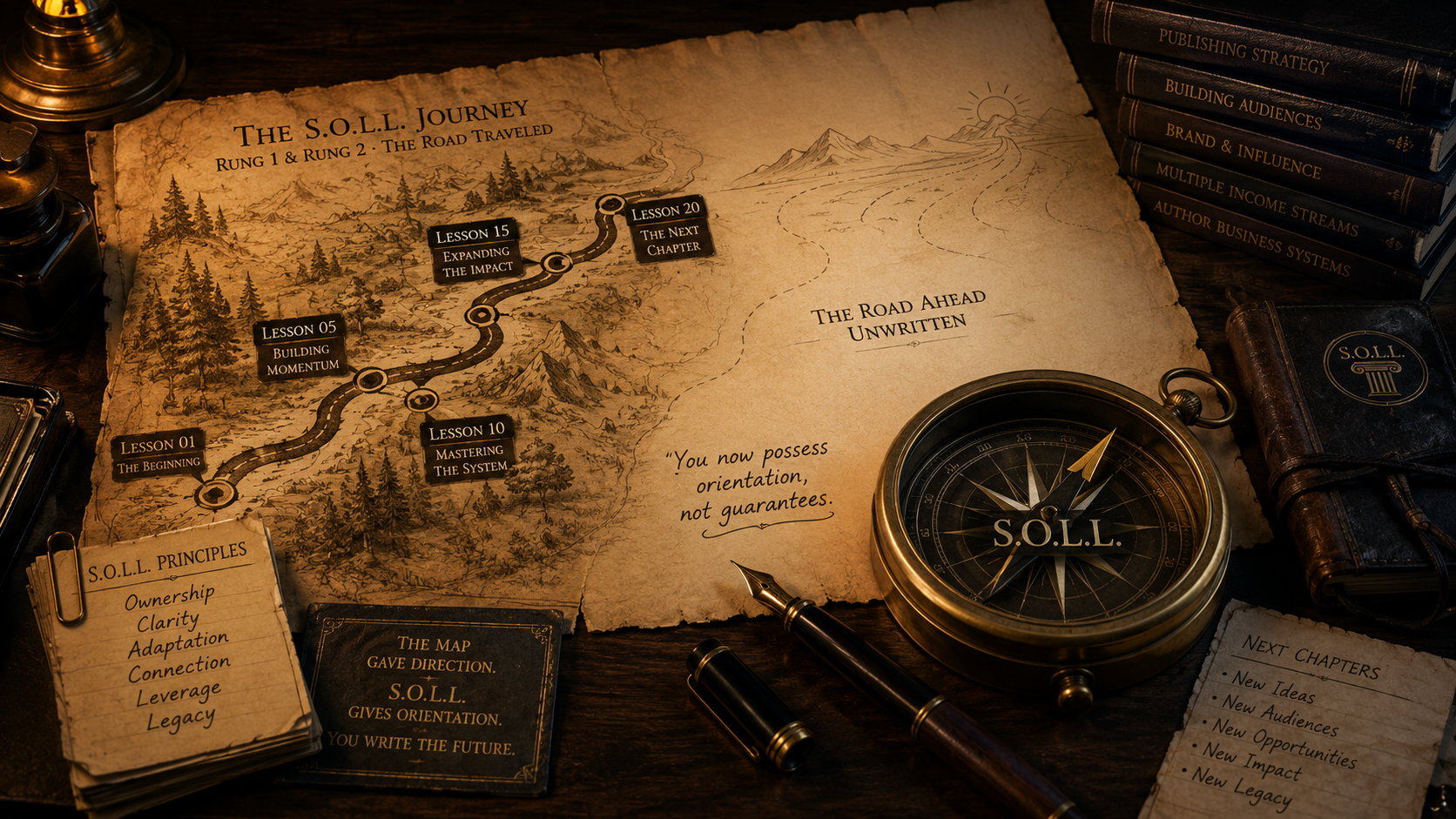
Experience gives direction, not guarantees, when the next phase begins.
Open Lesson 020Authority, public speaking, merchandising, shared creativity, delegation, owned audiences, reader belonging, partnerships, continuity, and open contribution.
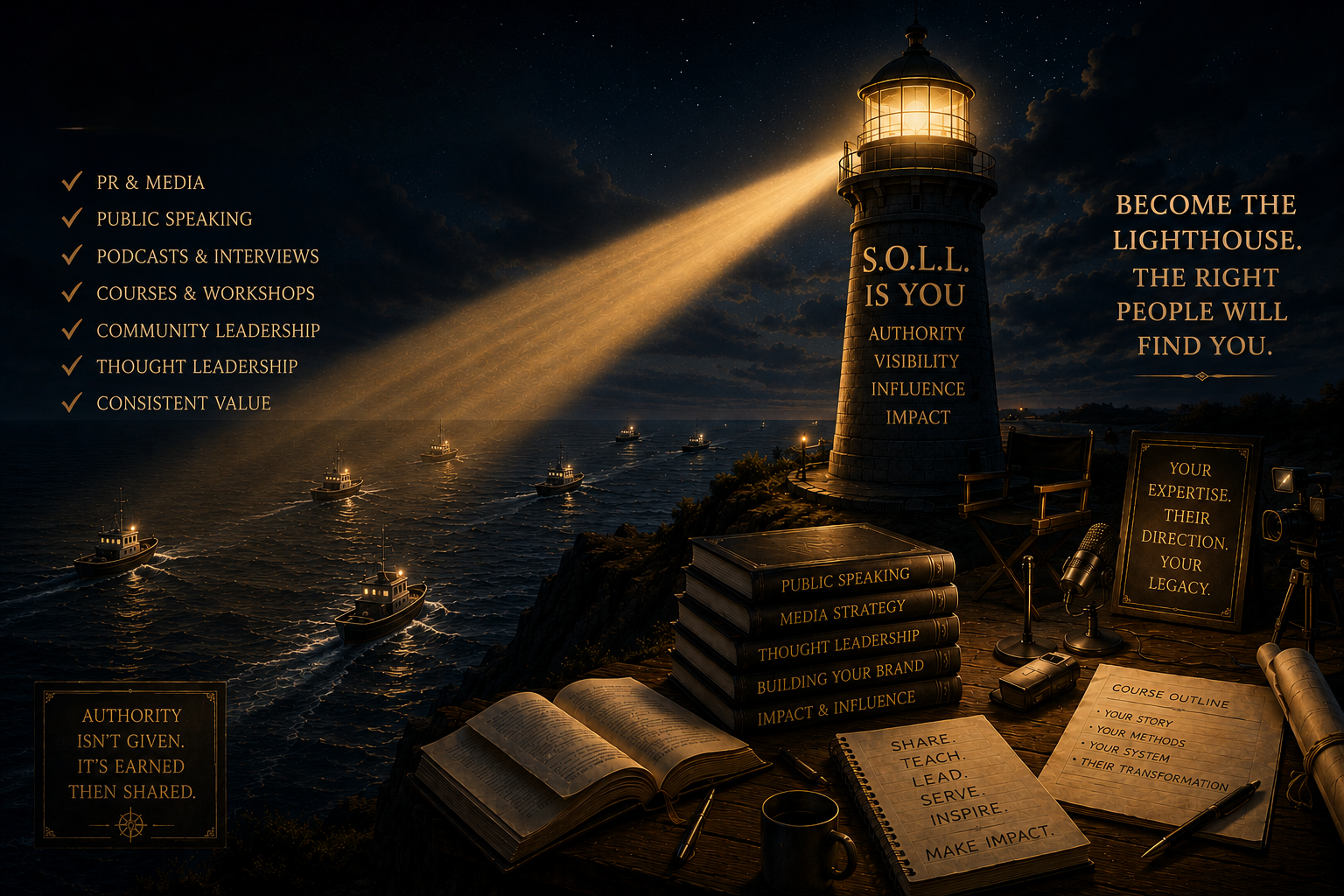
Authority grows when the author becomes repeatedly useful and trusted.
Open Lesson 021
The microphone carries the message, but preparation creates the value.
Open Lesson 022
Merchandise should lead readers back to the book, not away from it.
Open Lesson 023
Readers may be inspired by the story, but the author still protects the source.
Open Lesson 024
The author stops doing every task alone but keeps control of the vision.
Open Lesson 025
Platforms create visibility, but direct reader relationships create continuity.
Open Lesson 026
Community is built through recognition, not extraction.
Open Lesson 027
Good partnerships support the work without taking over the room.
Open Lesson 028
The first book begins the work; later books prove the world is alive.
Open Lesson 029
The system stays alive when more writers adapt it thoughtfully.
Open Lesson 030Books begin through one clear decision and repeated small actions.
Editing removes weakness so the strongest version of the work can appear.
Publishing decisions work better when you understand the system before entering it.
A strategy system should guide your choices without taking away your judgment.
Marketing helps the right reader notice the right book at the right time.
Readers buy when the offer is clear, accessible, and easy to understand.
Publishing requires practical systems, not only creative ambition.
Readers find books through visibility, trust, placement, and repeated discovery.
AI can assist the work, but the author remains responsible for judgment.
Success must be defined by the author before the industry defines it instead.
A writing career survives through repeatable systems, not one lucky launch.
Multiple books create more paths for readers to find and trust the author.
Your website protects your work when platforms change, fail, or disappear.
Owned channels keep readers reachable when outside platforms become unstable.
One book can support many related income paths when each path leads back to the work.
Good agreements begin when the author understands what is being exchanged.
Ownership means knowing which rights you keep, license, limit, or refuse.
Industry shifts are easier to handle when the author moves with informed steps.
After trial, error, and completion, the author becomes useful to others.
Experience gives direction, not guarantees, when the next phase begins.
Authority grows when the author becomes repeatedly useful and trusted.
The microphone carries the message, but preparation creates the value.
Merchandise should lead readers back to the book, not away from it.
Readers may be inspired by the story, but the author still protects the source.
The author stops doing every task alone but keeps control of the vision.
Platforms create visibility, but direct reader relationships create continuity.
Community is built through recognition, not extraction.
Good partnerships support the work without taking over the room.
The first book begins the work; later books prove the world is alive.
The system stays alive when more writers adapt it thoughtfully.
